Mobile Home Roof Replacement in Westminster from $1,800. A different structure, different systems, and a job most roofers quietly decline. Free inspection and a written quote.
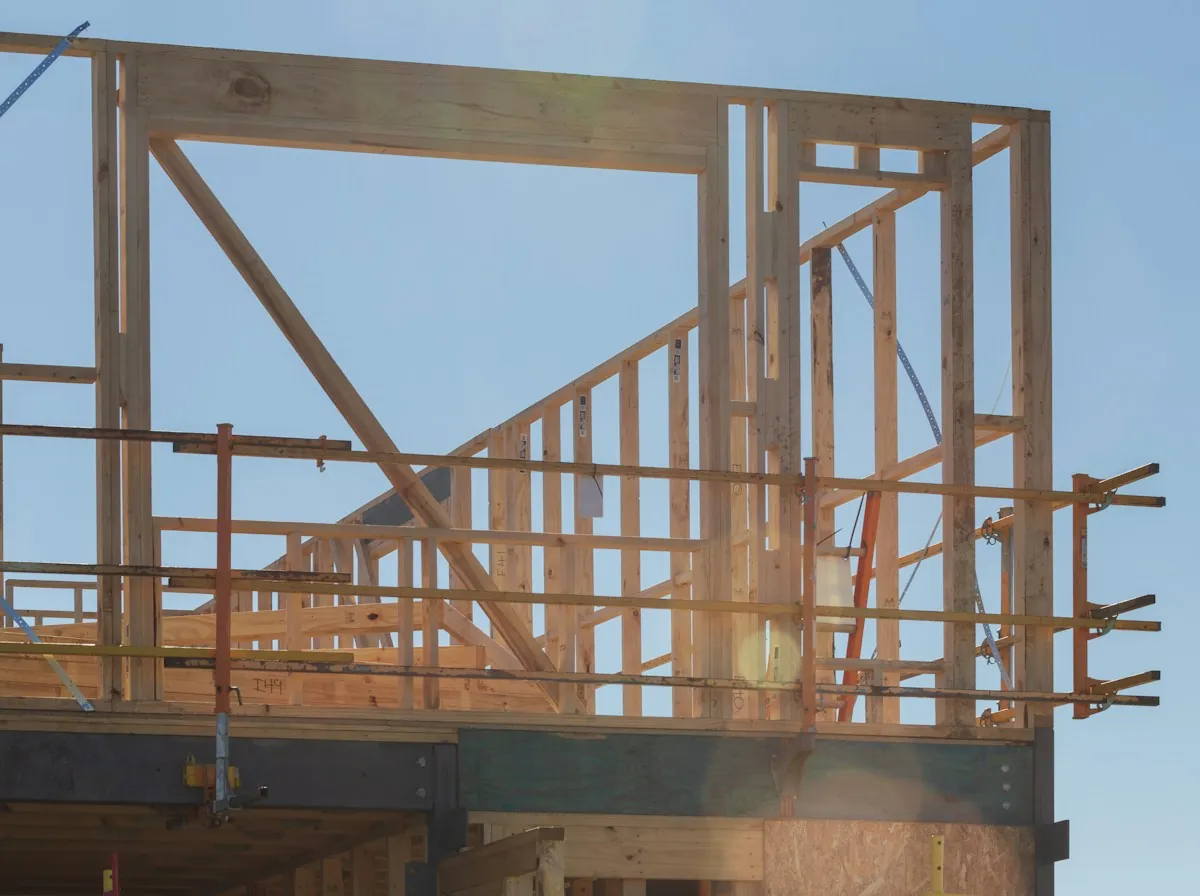
A manufactured home roof is not a small house roof. Lighter structure, shallower trusses, wider spacing -- it will not take the weight of tile or the point loads of conventional tear-off equipment. The usual right answer is a roof-over or a coating system, not a full strip, and anyone quoting it like a site-built house has not looked underneath.
A manufactured home roof is not a small house roof. The structure is lighter, the trusses are shallower and more widely spaced, and it will not take the weight of tile or the point loads of conventional tear-off equipment. Quoting it like a site-built house is how people end up with a ceiling that sags.


A coating system on a sound manufactured roof runs about $1,800 to $4,500. A roof-over -- a new panel or membrane system installed over the existing one, without exposing the interior -- runs roughly $4,000 to $9,000. A full tear-off is the exception rather than the default and should be justified rather than assumed. One check moves a Westminster quote more than any other: the layer count at the rake edge. Sixty years on, most of these roofs are on their second or third covering, and whether yours has already been overlaid decides whether a tear-off is optional or mandatory.
Where the existing roof is structurally sound and has simply lost its seal, a coating is genuinely appropriate. We establish that before proposing anything larger.
A structure that will not take a roof-over without repair first, seam corrosion on an older metal roof, or a park that restricts access and staging.
Tile, or any system the trusses will not carry. A manufactured home is a lighter structure with shallower, more widely spaced trusses, and quoting it like a site-built house is how a ceiling ends up sagging.
Uniformity is the defining fact. When a whole street went up in the same two years, the roofs reach the end of their lives together -- which makes a neighbor's experience genuinely useful, and makes the layer count at the rake edge the single most informative thirty seconds of any survey here.
Most of Westminster's residential neighborhoods were built during the 1960s, when the city more than doubled in population, so the housing is unusually uniform in age.
The two real options are a roof-over -- a new panel or membrane system installed over the existing one, which avoids exposing the interior at all -- and a coating system, which is cheaper again and genuinely appropriate where the existing roof is sound but has lost its seal. Full tear-off is the exception, not the default.
In most cities that advice is useless. Here it is the single most efficient thing you can do, because the house next door is genuinely the same house.
Most of Westminster went up in one decade, so the age, the framing, the original covering and the likely layer count next door are almost certainly yours. Ask what they were quoted, what they paid, and what was found once the covering came off.
Salt air finishes flashings, fixings and gutters long before the covering. A roof failing at its details with a sound field is a metalwork job, and that is a fraction of a replacement.
Then replacement is the right call and we will make it without hedging. What matters is not which answer you get but whether the evidence came with it.
Westminster hands you something most cities do not: the houses either side of you are almost certainly the same age and the same construction, because the majority of this city went up in the 1960s.
Tile in Westminster is almost always a later re-cover rather than original, because the 1960s tracts were built under composition.
Composition is what the 1960s tracts were built with and it is still the common covering here, which means most of these roofs are on their second or third one.
This is the one cool-roof rule that applies in every California climate zone with no exemption: low slope needs an aged SRI of 75 or better once more than half the roof area is replaced.
Be more skeptical of a partial here than you would be elsewhere.
Bolsa frontage, tract houses and mobile-home parks.
Unincorporated, and a decade older than the city.
Near the water. The metalwork fails first.
Small apartment blocks, and the logistics that follow.
Later, simpler, plywood decks. The predictable one.
Salt air and managed communities.
Small city, short queue, fewer inspection slots.
What is worth knowing before you book this.
Rarely. The usual answers are a coating system where the existing roof is sound but has lost its seal, or a roof-over where it needs more than that -- neither of which exposes the interior. A full strip is the exception and it should be justified rather than assumed.
Because the structure will not carry it. The trusses are shallower, lighter and more widely spaced than a site-built house's, and tile would overload them. Anyone willing to quote it has not looked underneath, which tells you something.
Typically $11,000 to $26,000. Orange County sits at or above the wider Los Angeles market, so an LA average reads slightly low here and a national average reads very low. Composition is about $7 to $11.50 per square foot; tile considerably more unless a relay is possible.
Here, yes, and it is genuinely useful information. Most of Westminster was built in the 1960s, so a whole street reaches the end of its roof life within a few years of itself. If your neighbors are replacing theirs, that is the most reliable signal you will get that yours is close.
It depends on the address. Westminster, Huntington Beach, Garden Grove, Fountain Valley, Seal Beach and Los Alamitos are each incorporated cities with their own building departments. Midway City is unincorporated Orange County, and its postal address does not tell you that.
Free inspection, and a written quote against a written scope. The layer count checked before an overlay is ever discussed.