Partial Roof Replacement in Garden Grove from $400. Sometimes one slope is the right job. Sometimes it is the expensive way to do half a job. Free inspection and a written quote.
On a multi-building site, partial means by building rather than by slope: worst roof first, the rest scheduled. That keeps each structure's 50% test clean and lets an owner spread the cost without leaving half a roof on any one building.
The honest answer depends on where the 50% line falls. Replace more than half the roof area within a one-year period and the whole roof has to comply with current code -- and it is cumulative, so two phased jobs inside twelve months are added together.


A partial sits between a repair, which is $400 to $1,600 here, and a full replacement at $11,000 to $26,000. In Westminster there is a particular reason to check the arithmetic: when a whole street went up in the same two years, the roofs tend to reach the end together. On multi-family the logistics are a real line: staging, resident notice, parking displacement and a sequence that keeps occupied units covered. Expect the quote to be per building with those costs visible rather than buried.
Mobilization. Permit, set-up, waste and a crew day cost much the same whether you do one slope or four, so two partials can cost more than one replacement.
Cross more than half the roof area within a one-year period and the whole roof has to comply. It is cumulative -- two separate jobs inside twelve months get added together.
When the failure is the metalwork rather than the covering, the honest job is flashings and fixings across the whole roof with the field left alone. That is a much smaller number.
The multi-family share is what makes Garden Grove different. On a two-to-eight unit building the constraint is never the covering -- it is staging, resident notice, parking displacement and a sequence that never leaves an occupied unit under an open roof overnight. Permits are City of Garden Grove.
In most cities that advice is useless. Here it is the single most efficient thing you can do, because the house next door is genuinely the same house.
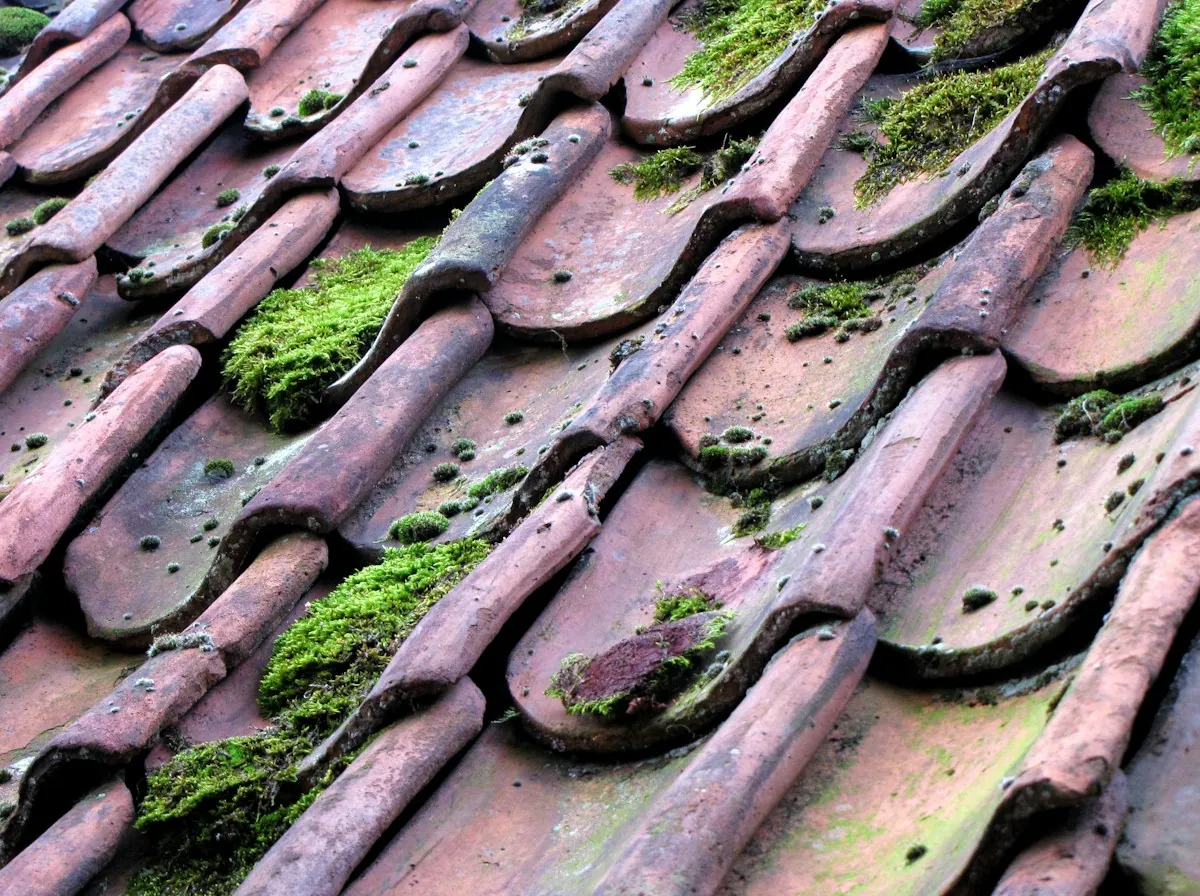
A tile roof quoted at $31,000 to $62,000 is very often a $9,000 to $23,000 lift and relay, because the tile is fine and only the felt beneath it has failed. Somebody has to count yours first.
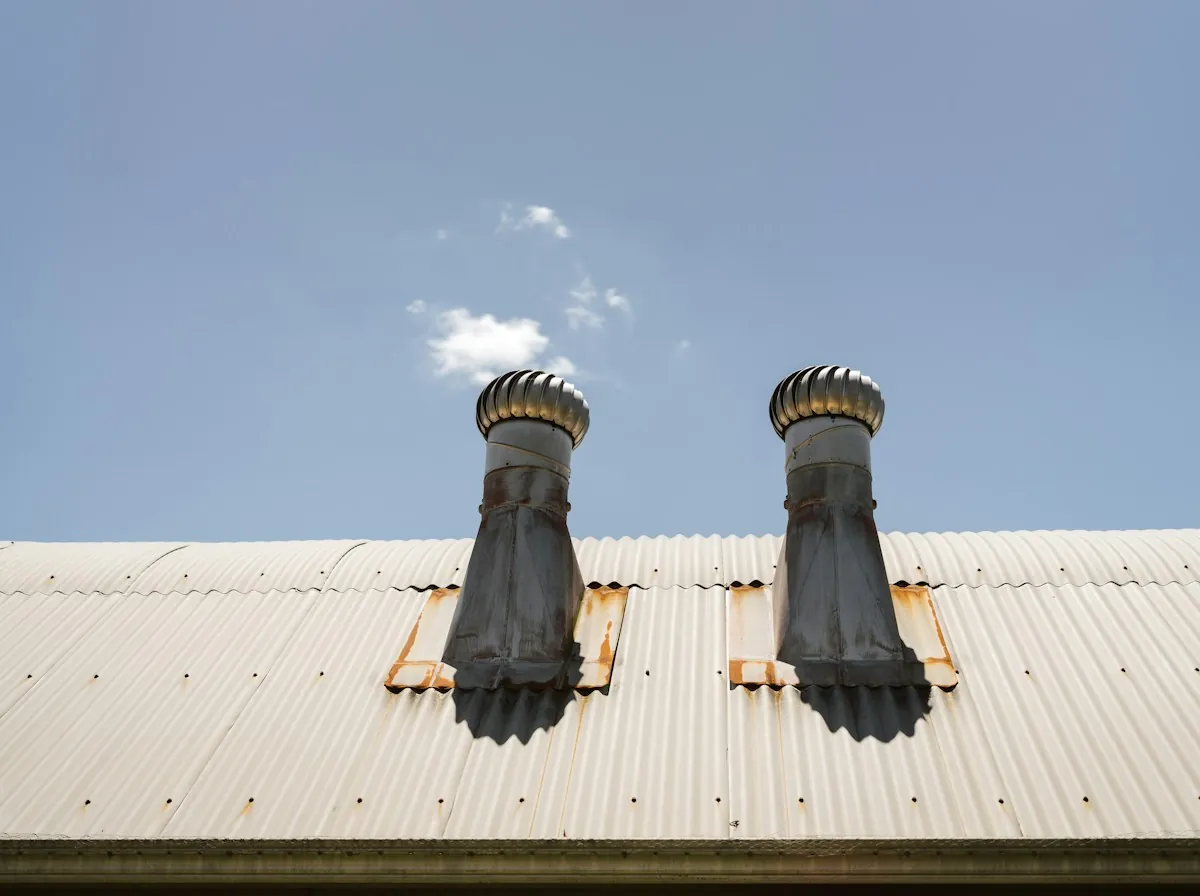
Salt air finishes flashings, fixings and gutters long before the covering. A roof failing at its details with a sound field is a metalwork job, and that is a fraction of a replacement.
Then replacement is the right call and we will make it without hedging. What matters is not which answer you get but whether the evidence came with it.
A large share of Garden Grove work is two-to-eight unit buildings, and on those the roof is the easy part.
On a multi-unit building a relay has to be staged rather than stripped, because there is nowhere to put the tile and no acceptable way to leave occupied units under an open roof.
A lot of Garden Grove multi-family is two systems on one building: a shingled street-facing pitch and low slope behind it where nobody looks.
Low slope over small apartment blocks is the core Garden Grove job, and the pattern is consistent: ponding at the low corner, a scupper blocked long enough to leave a tide mark, and a parapet coping that has opened up.
Park-based work here often comes in runs -- several units in the same community needing the same system at the same time.
Built in one decade. Your neighbor's roof is yours.
Bolsa frontage, tract houses and mobile-home parks.
Unincorporated, and a decade older than the city.
Near the water. The metalwork fails first.
Later, simpler, plywood decks. The predictable one.
Salt air and managed communities.
Small city, short queue, fewer inspection slots.
What is worth knowing before you book this.
Usually yes, to some degree. New covering next to weathered covering does not match even in the same product and color, because the old one has faded. Where that matters we put the new work on the least visible slope.
Less often than elsewhere, and it is worth saying so. When a whole street went up in the same two years the roofs tend to finish together, so a partial here is frequently a deposit on doing the rest within a couple of years at a second mobilization cost.
Probably not, and this is common near the water. Salt air corrodes flashings, fixings, vents and gutters long before it touches the covering, so a roof can have years of field life left and a finished set of details. That is a metalwork job at a fraction of a replacement.
Yes, and a lot of roofing companies do not. It is genuinely a different structure -- lighter, shallower trusses, wider spacing -- so it needs a roof-over or a coating system rather than a conventional tear-off, and it will not carry tile at all.
No. The inspection is free, the written quote is free, and there is no obligation attached to either. What we will not do is give you a price at the door without going up, or quote a tile relay without counting what is salvageable first.
Free inspection, and a written quote against a written scope. The layer count checked before an overlay is ever discussed.